Current Topics
The Swing to Test Optional Policies
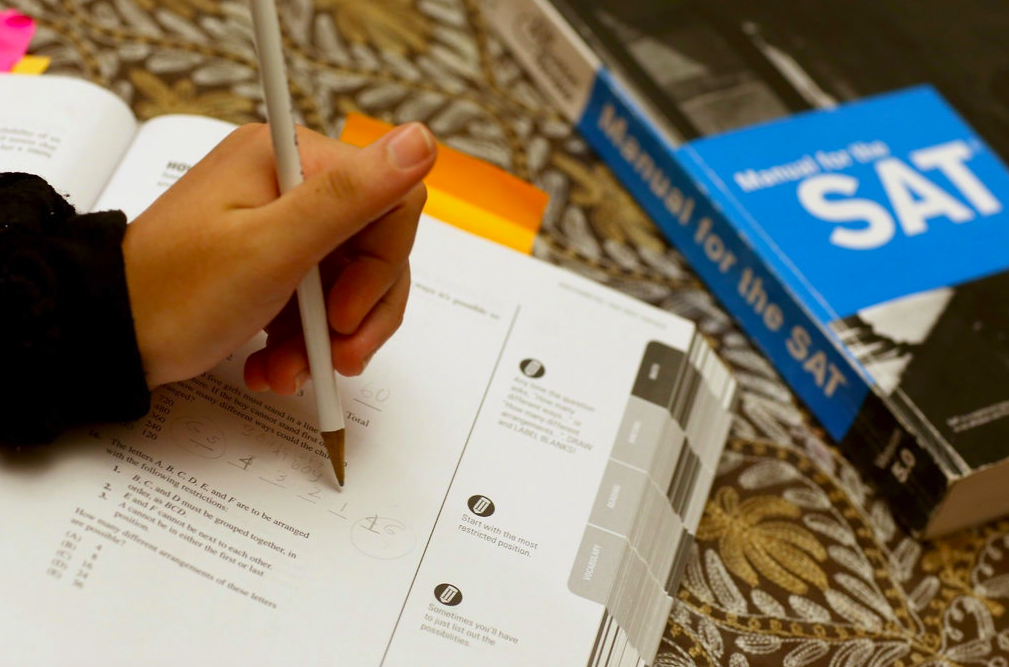
(UPDATED 6/25/20) In response to stay-at-home orders impacting thousands of student across the US as well as around the world, scores of colleges have announced changes to their standardized testing admissions policies.
Recognizing that high school juniors are facing diminished opportunities to take the SAT, ACT as well as IB examinations, there have been substantial conversations concerning what is now deemed essential to evaluating candidacy for admission at individual institutions.
While the test optional movement has been rapidly accelerating over the last several years, the current worldwide pandemic has forced the hand of admission offices everywhere to recheck their policies. As of this writing, over 1100 colleges and universities do not require SAT or ACT testing as an admission requirement. To access the full and continually evolving list of test optional colleges and universities, visit The National Center for Fair and Open Testing at www.fairtest.org.
Still, a test optional approach to application review does not mean “test blind.” For a student who has already tested to their satisfaction or plans to continue testing once community health conditions predict safe social gathering, it may make sense to continue on a testing path in order to present best possible scores at the time of application.
A number of colleges have established variations of test optional policies, including: one-year trials, three-year trials; shifting from a prior test flexible# policy to one in which standardized tests are no longer required for review, as well as policies fully embracing a test optional philosophy. Schools with test optional policies assert that do not need to rely on SAT or ACT scores because they receive sufficient information within a student's application to render an admissions decision, including classes taken, grades, curriculum rigor, activities, essays and teacher and/or counselor recommendations.
Note that international applicants may still be required to produce some form of standardized test results, including English language competency scores through TOEFL, IELTS or Duolingo.
Consideration of test scores in connection with merit scholarship awards will continue to vary by institution.
Colleges announcing recent shifts around testing policy change include:
(Last updated: 6/19/20)
Amherst*
Babson College*
Boston University*
Bradley University*
Brown*
California State system*
Cal Tech (test blind for two years)
Carlton*
Carnegie Mellon*
Case Western Reserve*
The Catholic University~
Centre College**
Claremont McKenna (will not accept online testing)
Colgate*
The College of William and Mary**
College of Wooster
Columbia University*
Cornell University*
Dartmouth*
Davidson **
Elon**
Fordham*
Grinnell*
Hamilton ^^
Haverford
Indiana University system
Loyola University New Orleans ~
Macalester College
Mercer*
Middelbury**
Northeastern*
Northwestern*
Oberlin**
Ohio State -
Olin
Penn State*
Pomona*
Princeton*
Rensselaer Polytechnic*
Rhodes**
Rice*
Rochester Institute of Technology*
Saint Louis University*
St Olaf
Santa Clara *
Scripps
SUNY Geneseo*
Swarthmore
Syracuse*
Trinity University, TX**
Tufts **
Tulane (1 year) - but for full merit consideration, send scores!
U California system (2 years; years 3 & 4, disregarded for in-state applicants)
University of Connecticut **
University of Delaware*
University of Illinois-Urbana Champaign*
University of Las Vegas (UNLV)*
University of Pennsylvania*
University of Richmond*
University of Southern California*
University of Virginia*
Vassar*
Villanova*
Virginia Polytechnic*
Wellesley*
Williams*
*One-year test optional pilot and will then reassess
**Three-year pilot test optional and will then reassess
^^ Was test flexible but now test optional for Class of ‘21
~ Recently adopted a test-blind policy for admission and scholarships
These colleges to offer a #test flexible policy (applicants can choose which standardized testing scores to submit -- ex. SAT Subject Tests; AP scores; et al.)
Georgetown
Texas Christian University
All public universities in Oregon
Western Michigan University
Marla Platt, M.B.A. is an independent college consultant based in Sudbury, MA through AchieveCoach College Consulting, providing expert and personalized college counseling to students and families throughout the college planning, search and admissions process. Marla is a professional member of the Independent Educational Consultants Association and can be reached via www.achievecoach.com
Serving high school students in:
Sudbury, Wayland, Acton, Groton, Hopkinton, Newton, Wellesley, Weston, Natick, Needham, Brookline, Bolton, Concord, Carlisle, Lexington, Framingham, Dover, Sherborn, Grafton, Hopkinton, Arlington, Cambridge and all of Metrowest Boston and New England.
Recent posts